I recently did a word study on the word “baptism”, especially as it is used in Acts 2:38. The Greek word is “baptizo” and was transliterated and not translated. It was anglicized into baptize instead of rendered immersion because the King James translators viewed different modes of baptism i.e. pouring or sprinkling. They did not want to give the proper picture of what baptism is, an immersion.
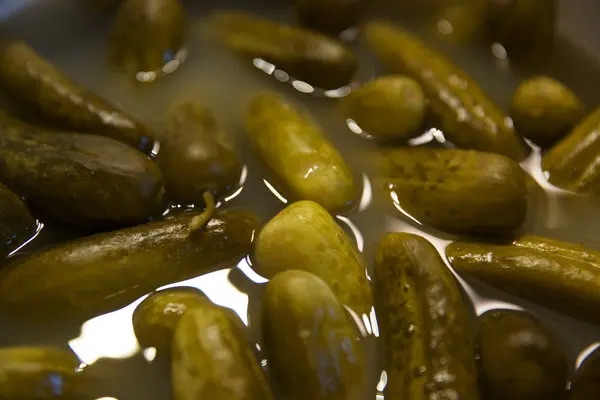
I used the Blue Letter Bible app to do my study. It gave this illustration of the word baptism: “This word should not be confused with baptô (911). The clearest example that shows the meaning of baptizo is a text from the Greek poet and physician Nicander, who lived about 200 B.C. It is a recipe for making pickles and is helpful because it uses both words. Nicander says that in order to make a pickle, the vegetable should first be ‘dipped’ (baptô) into boiling water and then ‘baptised’ (baptizô) in the vinegar solution. Both verbs concern the immersing of vegetables in a solution. But the first is temporary. The second, the act of baptising the vegetable, produces a permanent change.”
I understand this analogy well. My grandmother once made pickles in her kitchen when I was a kid. Once the cucumber was immersed in the vinegar, it certainly would never be the same!
Baptism produces a permanent change in us! Paul writes, “Or do you not know that as many of us as were baptized into Christ Jesus were baptized into His death? Therefore we were buried with Him through baptism into death, that just as Christ was raised from the dead by the glory of the Father, even so we also should walk in newness of life. For if we have been united together in the likeness of His death, certainly we also shall be in the likeness of His resurrection, knowing this, that our old man was crucified with Him, that the body of sin might be done away with, that we should no longer be slaves of sin. For he who has died has been freed from sin” (Romans 6:3-7).
Baptism is not the washing of the dirt from the body, but it is the answer of a good conscience before God (1 Peter 3:21). Baptism changes our direction in life, we have a new master that we obey (Romans 6:16). Baptism provides the avenue to the blood of Christ that was shed to redeem all mankind (1 Peter 1:18,19).
Faith alone does not make a permanent change in your life! Confessing Jesus as Lord does not make a permanent change in your life! Professing repentance from sin does not make that permanent change in your life! Only after you’ve done these things and immersed in water will your life be permanently changed!
By: Justin Odom
 Grace & Salt
Leave a comment